

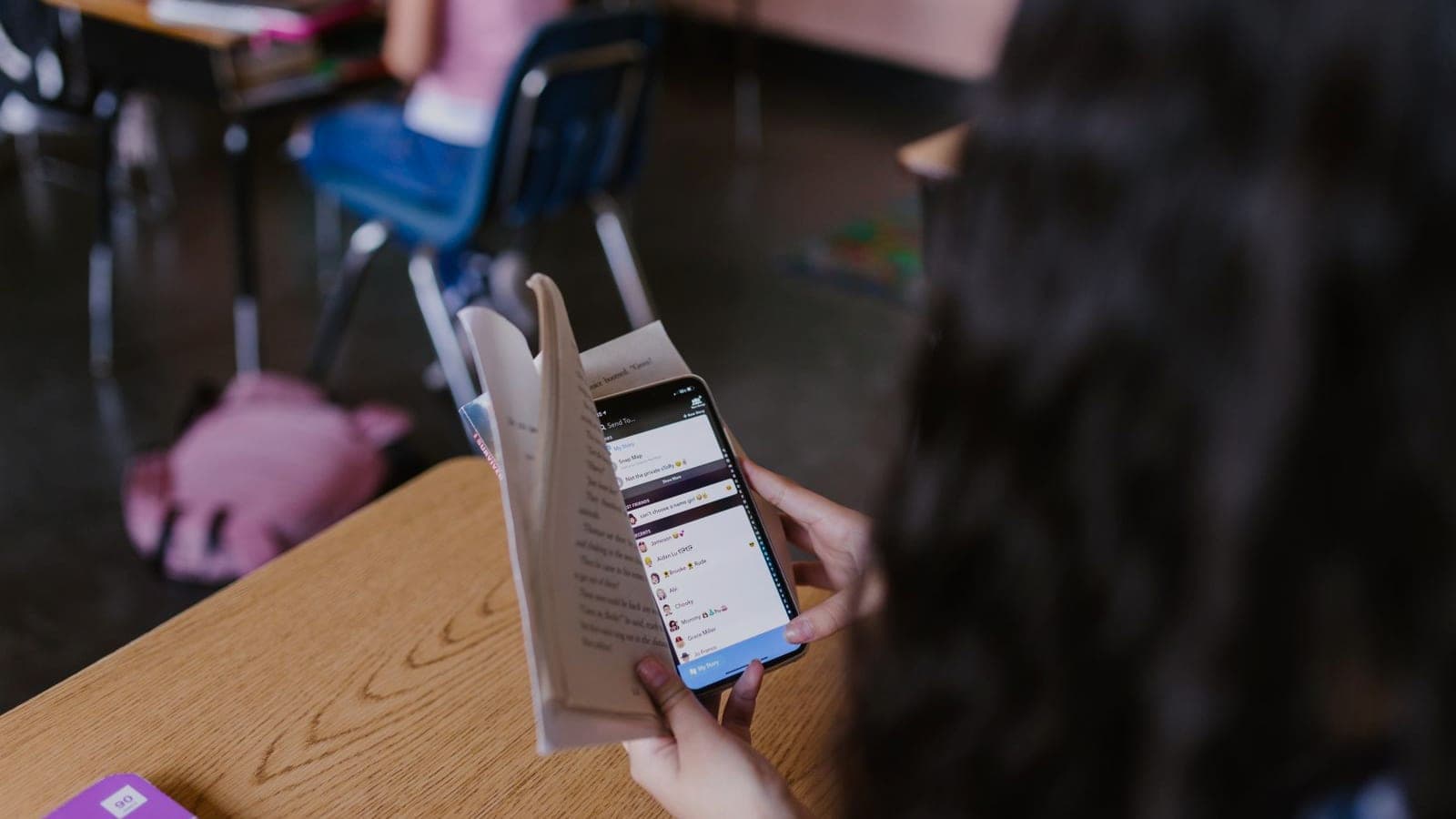
How to Stop Procrastinating When You Study: Start in 2 Minutes
Published October 31, 2026
To stop procrastinating when you study, make the first step so small that it is easy to begin, give it a fixed trigger (a time, a place or a cue), and remove the distraction that usually wins. Then deal with the feeling that made you avoid the task in the first place. Two minutes of real work is a better target than an hour of good intentions.
If you read that and thought "I know, but I still do not start", you are normal. Procrastination is not a problem of knowing what to do. This guide explains why it happens, then gives a step-by-step way to start, stay on task and recover on the days it goes wrong.
Why you procrastinate on studying
It is tempting to call it laziness, but the research points elsewhere. Sirois and Pychyl (2013) argue that procrastination is best understood as putting short-term mood repair ahead of long-term goals. A task feels boring, scary or confusing, so you do something more pleasant instead, and you feel better for a moment. The relief is the reward, and that is what keeps the habit going. You can read the paper through its DOI link.
Studying is full of these triggers:
- The task is big and vague, such as "revise chemistry".
- You are afraid of finding out how much you do not know.
- You are a perfectionist and the first attempt will not be good enough.
- The material is boring, or you cannot see where to begin.
- Your phone offers a faster reward than a hard problem set ever will.
Once you see procrastination as avoidance of a feeling, the fixes make sense. You do not need more guilt or a stricter schedule. You need a way to start that does not trigger the feeling, and an environment where the easy escape is not within reach.
Step 1: Shrink the first step to two minutes
Most students set a start that is too large. "Study for three hours" is a wall. "Open the notes and answer one question" is a step. The aim of the first action is not progress, it is to start, because starting changes how the task feels. Once you are in it, it is rarely as bad as the dread before.
Write the first step as a physical action, with no ambiguity:
- Open the chapter and read the first paragraph.
- Do the first practice question, even badly.
- Write the title of the essay and three bullet points under it.
- Put 10 flashcards on the desk and test yourself on the first five.
Then give yourself permission to stop after two minutes. This sounds like a trick, and it partly is. Most days you will keep going. On the days you do not, you have still done two minutes more than zero, and you have kept the habit alive, which counts more than a heroic session every ten days.
Be careful with the permission: it is real. If you stop, do not punish yourself. Guilt is the fuel of the next delay.
Step 2: Cut the task down before you begin
A large task needs a plan, and a plan is the cheapest form of progress. Procrastination often begins when there is no clear picture of what "done" looks like. Spend five minutes breaking the task into pieces you could finish in 20 to 30 minutes each.
For a chapter on the French Revolution, for example:
- Read the section on causes and write five key points from memory.
- Make 10 flashcards on dates and people.
- Answer two past exam questions on the topic.
Each piece has an obvious end. Finishing one gives a small win, and small wins are what build the feeling that you can do this. If you are not sure how to divide the time across subjects, our guide to making a revision timetable walks through it from the exam date backwards.
Order matters too. If you dread one task, do not leave it for the end of the day when you have the least energy. Put it first, or after a short warm-up task that is easy. Many students find that starting with something they can finish quickly creates momentum for the harder item.
Step 3: Add a cue and a decision
Vague plans fail, because the moment you need to start, you also need to decide when, where and how. Make the decision in advance. Gollwitzer and Sheeran (2006) reviewed dozens of studies on "implementation intentions", plans in the form "if this situation, then I will do that", and found that they helped people follow through on their goals. The idea is simple: link the action to a cue so you do not have to rely on motivation in the moment. The review is available through its DOI link38002-1).
Write your plan like this:
- "After I finish dinner, I will sit at my desk and answer one past paper question."
- "When I get to the library, I will open my notes before I take out my phone."
- "At 4 pm, I will start my 25-minute timer on the biology summary."
The cue can be a time, a place or an event. What matters is that it is specific and tied to something that already happens. Do it daily, and the cue starts to trigger the action by itself.
If you also use a timer, the start of a block becomes a clear signal. Our guide to the Pomodoro technique for studying shows how to set block lengths that suit revision.
Step 4: Fix your space and your phone
You can have a perfect plan and still lose to a phone on the desk. Willpower is not a good defence, so use friction instead.
- Put the phone in another room, or at least out of sight, before the session begins.
- Close tabs you do not need. Keep only what the task requires.
- Use a site or app blocker if social media is your escape route.
- Study somewhere that says "work", not where you relax. If your bed is for sleeping, keep it that way.
- Have what you need ready before you start: water, notes, pens, charger.
- If you notice a random urge ("I should check that"), write it on a sticky note and deal with it at your break.
None of this has to be permanent. The goal is to make the distraction harder than the work for the first ten minutes, because that is the window where you decide whether to begin. For more tips on the surroundings, read our guide on how to focus on studying.
A timer helps with this step too. When you know exactly how long you must stay on one task, the urge to escape has a clear limit. You are not promising to work forever, only until the bell. Running that by hand means resetting a clock and counting blocks. Orbily has a study timer for this: pick a duration, choose your subject and study inside a calm progress ring. It keeps running if you leave the app, and each session counts toward your study time and streak. What it does not do is choose the task for you or silence the urge to escape, so write your two-minute first step before you press start. Read more about the timer.
Step 5: Deal with the feeling underneath
If the steps above help but the avoidance keeps coming back, look at the feeling. Naming it often takes away part of its power.
- If it is fear of not knowing, begin with a quick self-test with no pressure. The result is information, not a verdict. Starting with what you find hardest is useful because it shows you where to spend time.
- If it is perfectionism, set a rule: the first draft is allowed to be bad. Write it quickly, then improve it in a second pass.
- If it is boredom, change the method rather than forcing yourself through. Switch from rereading to answering questions, or turn the notes into flashcards. Active work is more interesting than passive reading.
- If it is overwhelm, go back to step 2 and cut the task smaller.
- If it is tiredness, be honest. A 20-minute nap or a walk may be a better use of your time than a bad two-hour session.
Be kind to yourself when you slip. The common pattern is to procrastinate, feel awful, then procrastinate more because of the bad feeling. Break the loop by treating a lost afternoon as information. What made it hard? What could be smaller tomorrow? Then do the two-minute start.
What to do on a day when nothing works
Some days you will fail every step. That is part of the process. A short rescue plan:
- Set a timer for 10 minutes and do the easiest useful task you have.
- If you want to stop after the timer, stop. If not, carry on for another block.
- Tell someone what you will do, or study next to a friend, even in silence. Light accountability helps.
- Finish the day by writing the first step for tomorrow. It removes the hardest decision from the next morning.
Missing a day is not the problem. Missing a week because one day felt like a failure is.
A simple weekly routine
Here is a routine that puts the steps together:
- Sunday evening: choose your three most important tasks for the week and cut each into pieces of about 30 minutes.
- Each day: write one cue and one two-minute first step for your main session.
- Before each session: phone away, desk ready, timer set.
- After each session: tick it off and write the next step.
- Friday: look back at what worked and what did not, and change one thing.
It sounds small, and that is the point. The students who stop procrastinating are rarely the ones with the most discipline. They are the ones who make starting so easy that discipline is not needed.
If you do one thing after reading this, make it this: pick the task you have been avoiding, write the smallest possible first step, decide when you will do it and do it for two minutes. The rest of the plan is there to make that moment easier next time.
FAQ
Because procrastination is mostly about feelings, not time management. When a task makes you anxious, bored or unsure, putting it off gives instant relief. Researchers describe this as choosing short-term mood repair over long-term goals. Knowing the deadline does not remove the unpleasant feeling, so the fix is to make the first step small enough that it stops feeling threatening.
Usually not. Many students who procrastinate care a lot about their results and feel stressed about the task. The delay is a way of avoiding that stress, which is a different problem from laziness. Treating it as a character flaw tends to make it worse, because guilt adds more bad feelings to avoid.
It means committing to just two minutes of a task to get started, for example opening your notes and answering one question. The aim is not to finish in two minutes. It is to cross the starting line, because beginning is the hardest part, and most people carry on once they are already working.
Decide in the afternoon what you will do and when, and set up your desk before dinner so the first step is ready. Late evening is when willpower is lowest, so avoid relying on it. If you often lose the evening, move the hardest task to earlier in the day and keep the night for lighter review.
They can help with the specific problem of phone and social media pulls, because they add a bit of friction when you are tempted. They do not fix the reason you wanted to escape in the first place. Use a blocker alongside a small starting task and a clear plan, not instead of them.